
How Long Can a Sun Conure Go Without Food: Essential Guide
A Sun Conure can go without food for up to 48 hours. Prolonged fasting can lead to severe health issues.
Sun Conures, with their vibrant plumage and playful nature, are popular pet birds. Proper care is crucial for their well-being. Regular feeding ensures they receive essential nutrients. Sun Conures require a balanced diet of seeds, fruits, and vegetables. Fresh water should always be available.
Owners should monitor their bird's eating habits closely. Any signs of reduced appetite may indicate health problems. Immediate veterinary attention is necessary if your bird refuses food for more than a day. Understanding their dietary needs and feeding schedule is key to keeping a Sun Conure healthy and happy. Proper nutrition supports their active lifestyle and longevity.

Credit: www.reddit.com
Natural Habitat
Sun Conures are vibrant, social birds. They thrive in the wild and live in lush, tropical environments. Understanding their natural habitat helps us care for them better.
Diet In The Wild
In their natural habitat, Sun Conures eat a variety of foods. Their diet includes fruits, seeds, nuts, and flowers. They enjoy berries, mangoes, and other tropical fruits. They also consume insects and small invertebrates for protein.
Sun Conures are opportunistic feeders. They eat what's available in their surroundings. Their diet is diverse to meet their nutritional needs.
Food Availability
Food availability varies in the wild. During the rainy season, food is abundant. Conures find plenty of fruits and seeds. In the dry season, food becomes scarce. Birds travel long distances to find food.
Sun Conures adapt to the changing seasons. They store fat to survive during lean periods. These survival tactics help them manage without food for short periods.
| Season | Food Availability |
|---|---|
| Rainy Season | Abundant |
| Dry Season | Scarce |
Understanding their natural feeding habits helps us replicate their diet in captivity. Keep their diet varied and nutritious.
Dietary Needs
Sun Conures have unique dietary needs. Their diet must be rich in nutrients. Proper nutrition keeps them healthy and active.
Nutritional Requirements
Sun Conures need a balanced diet. They require proteins, carbohydrates, fats, vitamins, and minerals.
- Proteins: Essential for muscle and tissue repair.
- Carbohydrates: Provide energy for daily activities.
- Fats: Important for brain function and energy storage.
- Vitamins: Necessary for immune system health.
- Minerals: Aid in bone and feather development.
Common Foods
Sun Conures enjoy a variety of foods. A diverse diet ensures they get all nutrients.
| Food Type | Examples |
|---|---|
| Fruits | Apples, bananas, berries |
| Vegetables | Carrots, broccoli, leafy greens |
| Seeds | Sunflower seeds, pumpkin seeds |
| Nuts | Almonds, walnuts |
| Pellets | Commercial bird pellets |
Ensure fresh water is always available. Dehydration can be dangerous for Sun Conures.
Fasting Tolerance
Understanding a sun conure's fasting tolerance is crucial for its health. These colorful birds are popular pets, known for their vibrant feathers and playful nature. But how long can a sun conure go without food? Let's explore their survival mechanisms and typical timeframe.
Survival Mechanisms
Sun conures have some built-in survival mechanisms. These mechanisms help them during periods without food.
- Fat Reserves: They store energy in the form of fat. This helps them survive short fasting periods.
- Metabolic Rate: Sun conures have a high metabolism. This allows them to use stored energy efficiently.
- Hydration: They can go longer without food if they have water. Hydration is key to their survival.
Typical Timeframe
A sun conure can typically go without food for about 48 hours. This timeframe can vary based on several factors.
| Factor | Impact on Fasting Tolerance |
|---|---|
| Age | Young birds have less tolerance. |
| Health | Sick birds need food more frequently. |
| Environment | Stressful environments reduce fasting tolerance. |
It's important to note that while a sun conure can survive for 48 hours without food, it's not ideal. Regular feeding ensures their health and happiness.
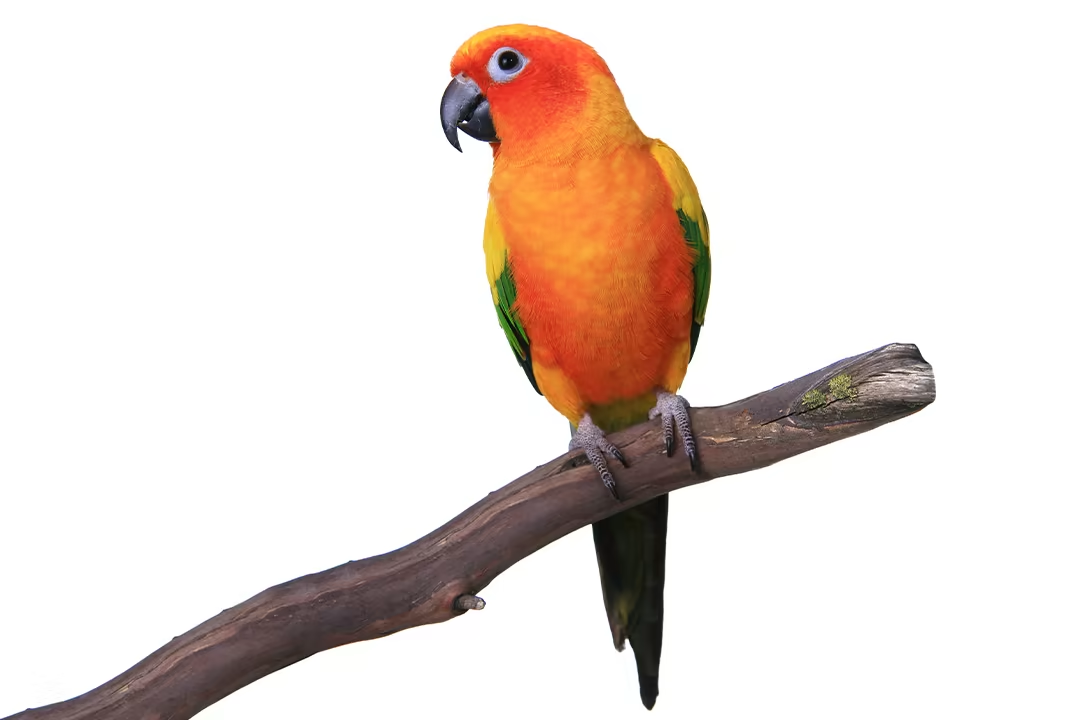
Credit: www.petco.com
Health Risks
Understanding the health risks associated with a Sun Conure going without food is crucial. These vibrant birds have high energy needs and can suffer quickly from a lack of nutrition.
Signs Of Malnutrition
Malnutrition can show up in various ways in Sun Conures. Look for these signs of malnutrition:
- Weight loss
- Weakness or lethargy
- Dull feathers
- Loss of appetite
- Changes in droppings
Regularly check your bird's weight and overall appearance. Early detection can prevent serious health issues.
Immediate Dangers
Going without food can lead to immediate dangers for Sun Conures. Here are some potential risks:
- Hypoglycemia: Low blood sugar can cause seizures.
- Dehydration: Lack of food often means lack of water.
- Organ failure: Vital organs can shut down without nutrients.
Quick action is needed if your bird stops eating. Consulting a vet is always recommended.
| Risk | Impact |
|---|---|
| Hypoglycemia | Seizures, weakness |
| Dehydration | Dry skin, lethargy |
| Organ failure | Critical health decline |
Emergency Measures
Understanding how long a Sun Conure can go without food is crucial. In emergencies, quick action can save your bird's life. This section covers vital steps to take.
Rehydration Techniques
A dehydrated Sun Conure faces severe health risks. Birds can go without food longer than water. Rehydration should be your first step.
- Use a clean dropper to offer water.
- Offer electrolyte solutions like Pedialyte.
- Place a shallow dish of water in their cage.
Monitor your bird closely. Ensure it drinks water or the solution. Hydration is vital for recovery.
Safe Food Options
Once your Sun Conure is hydrated, focus on feeding. Offer safe food options to avoid any digestive issues.
| Food Type | Examples |
|---|---|
| Fruits | Apples, Bananas, Grapes |
| Vegetables | Carrots, Broccoli, Peas |
| Seeds | Sunflower, Millet |
Offer small amounts. Monitor your bird's reaction to the food. Avoid foods high in fat or sugar.
If your Sun Conure refuses food, try hand-feeding. Use a syringe to offer a soft diet. This can include mashed fruits or special bird formula.
Always consult a vet for persistent issues. Emergencies need prompt action for the best outcomes.

Credit: www.amazon.com
Long-term Care
Long-term care for a Sun Conure includes providing proper nutrition and a balanced diet. These colorful birds need a consistent feeding schedule. They also require a variety of foods to stay healthy.
Balanced Diet
A balanced diet is crucial for Sun Conures. They need a mix of seeds, pellets, and fresh fruits and vegetables. Here’s a simple table showing their dietary needs:
| Food Type | Percentage of Diet |
|---|---|
| Seeds | 30% |
| Pellets | 40% |
| Fruits and Vegetables | 30% |
Fresh fruits like apples, grapes, and berries are essential. Vegetables such as carrots, spinach, and broccoli should also be included. Avoid avocado, chocolate, and caffeine as they are toxic to birds.
Feeding Schedule
Keeping a consistent feeding schedule is important. Feed your Sun Conure twice a day. Here’s a simple schedule:
- Morning Feed: Offer seeds and fresh fruits.
- Evening Feed: Provide pellets and vegetables.
Ensure that fresh water is always available. Clean the food and water dishes daily. This helps to prevent bacterial growth.
Frequently Asked Questions
How Long Can Conures Go Without Food?
Conures can go without food for about 24-48 hours. Ensure they have water and seek veterinary advice if needed.
How Often Do You Feed A Sun Conure?
Feed a sun conure twice daily. Provide a balanced diet of pellets, fresh fruits, and vegetables. Ensure clean water.
Can I Leave My Conure For A Week?
Leaving your conure for a week is not recommended. Ensure someone checks on them daily for food, water, and interaction.
How Long Can A Bird Last Without Food?
A bird can typically survive without food for 1 to 3 days, depending on its size and health.
Conclusion
Understanding your Sun Conure's dietary needs is crucial for its health. These vibrant birds should not go without food for more than 24 hours. Regular feeding ensures they stay happy and healthy. Always monitor their food intake and consult a vet for personalized advice.
Proper care leads to a long, joyful life.

Viola R. Daigle
I'm Viola R. Daigle, a dedicated Internet Marketer. I work with WarriorPlus as a Vendor and Affiliate, and I’m also an Affiliate on JVZoo and Legendary Marketer. My passion is to provide honest and detailed reviews of Internet Marketing (IM) products and software. I love helping people choose the right tools and strategies to grow their online business with confidence.


